Is Your Mobile Number Being Spoofed by Scammers?
Is Your Mobile Number Being "Spoofed" by Scammers?
Suddenly getting angry callbacks or confused texts from strangers? Learn how spoofing works, why your phone hasn't been hacked, and what you can do to protect yourself.
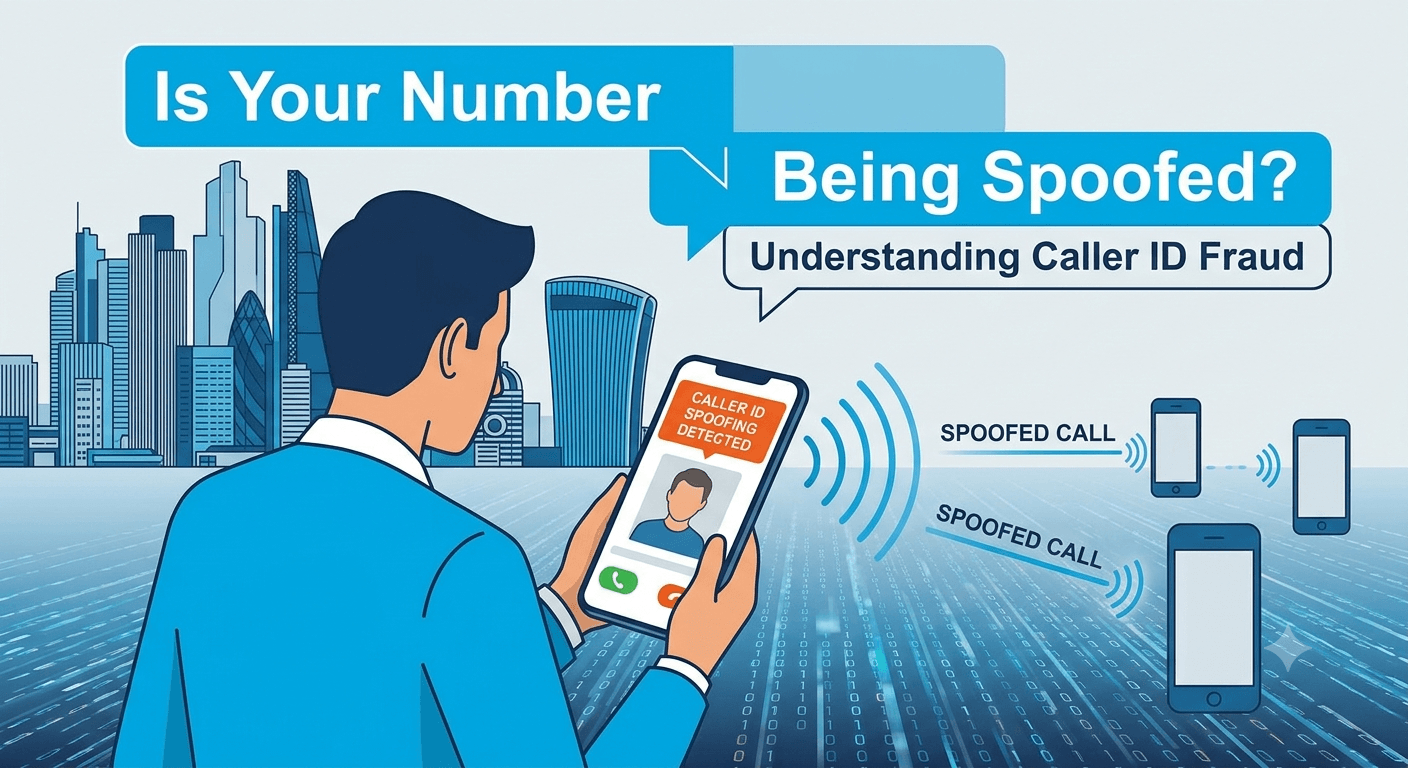
Have you recently received angry phone calls or confused text messages from strangers claiming you called them, even though you never did? Or perhaps you've noticed a sudden surge of missed calls from random numbers that hang up the moment you answer?
If this sounds familiar, you are likely the target of Caller ID Spoofing. It’s an incredibly frustrating situation, but understanding what is happening behind the scenes can save you a lot of worry.
What is Mobile Number Spoofing?
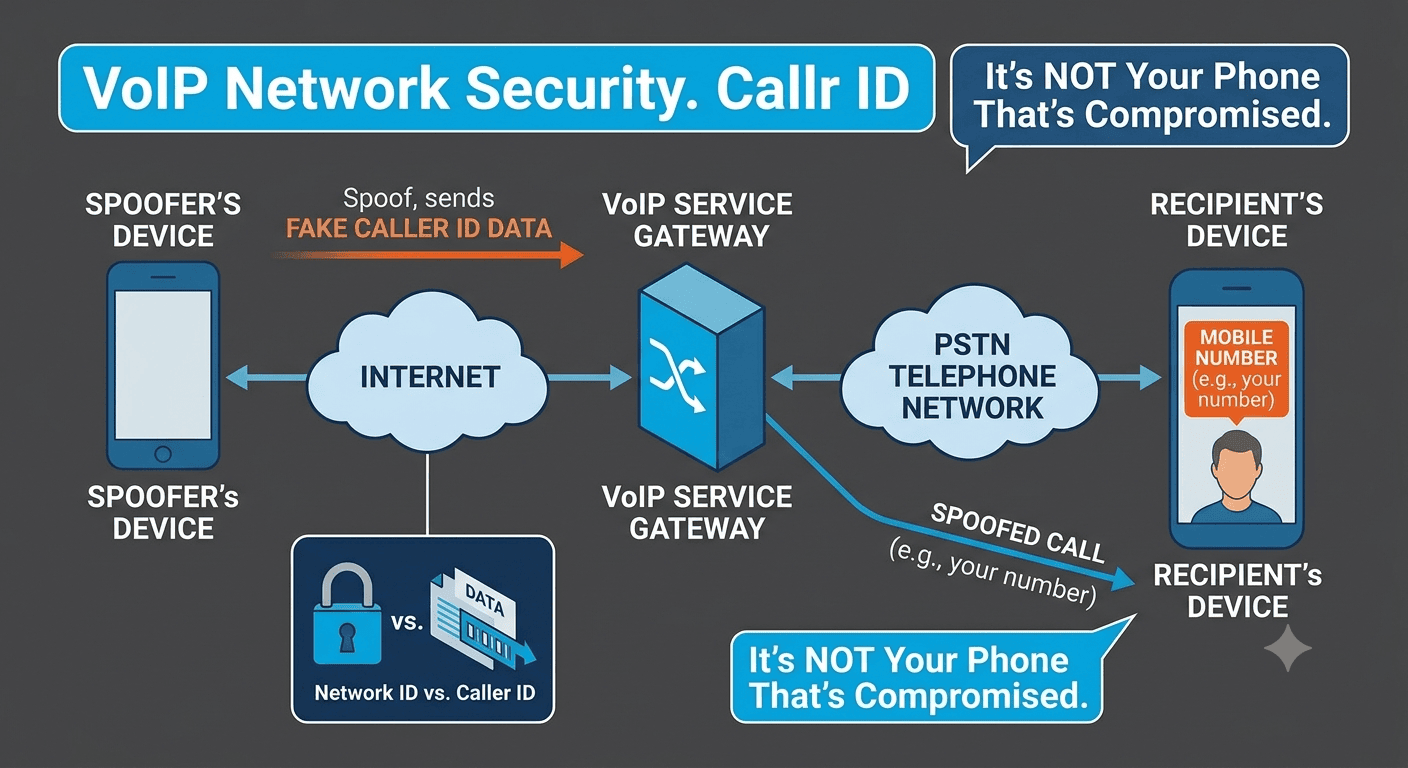
Spoofing is a trick where criminals use specialized internet calling software (VoIP) to deliberately hide their real identity. Instead of displaying their own phone number, they force the network to display a completely random, legitimate UK mobile number—which, by pure, unlucky chance, happens to be yours.
The scammers do this because they know people are far more likely to pick up an incoming call from a standard, local-looking mobile number than an unknown, withheld, or international one.
⚠️ The Legal Reality: Two Victims, One Crime
Let’s be completely blunt: phone spoofing is functionally identical to email spoofing.
If a spammer fakes a "From" address on a junk email, you don't track down the innocent owner of that email address to scream at them. You know they didn't send it. Mobile number spoofing is exactly the same. The person whose number has been cloned has absolutely zero integration, access, or control over what the scammers are doing.
Both the person receiving the scam call and the owner of the cloned number are victims of the same fraud.
Abuse and Threats are a Criminal Offence
Lashing out at the owner of a spoofed number is not "retaliation" against a scammer—it is a direct attack on an innocent bystander.
Under UK law, including the Malicious Communications Act 1988 and the Online Safety Act 2023, sending menacing, harassing, or threatening electronic communications (such as hostile callbacks, abusive texts, or death threats) is a serious criminal offence.
🚫 If a recipient of a scam call sends a hate-filled or threatening response to a spoofed mobile number, they are not fighting back against scammers—they are actively committing an independent criminal act against an innocent civilian victim, and they can be prosecuted.
The Warning Signs to Watch For
Accusations out of the blue
You receive sudden calls or texts from strangers saying, "I just missed a call from this number," or asking why you keep trying to call them.
Silence on the line
You answer incoming calls from numbers you don't know, only for the line to disconnect immediately. These are often automated test diallers verifying active numbers.
A sudden flood of texts
Your inbox gets filled with confused or defensive text replies from people responding to SMS text campaigns sent out by the spoofer.
What to Do If Your Number Is Spoofed
Because spoofing happens strictly on the scammers' external systems, you cannot directly block them from typing your number in. However, you can manage the impact easily:
1. Don't Panic
Remember, your billing details, contacts, and phone system are safe. No one is hacking your account or racking up charges on your bill.
2. Use a Direct Copy-Paste Reply for Hostile Messages
If someone sends you an aggressive or confused message, do not engage in an argument. Copy, paste, and send this exact direct response, then block them if they persist:
"I did not call or text you. My mobile number is currently being spoofed by automated scam networks—a process identical to email address forgery. I have zero control or access to this. Please be aware that targeting this number with abusive or threatening messages is a criminal offence under the UK Malicious Communications Act. Please block this number to prevent further scam calls."
3. Temporarily Change Your Voicemail Greeting
If you use your mobile for business, your default voicemail greeting likely announces your name or your company name. Temporarily change this greeting to protect your identity. Removing your personal details prevents hostile callers from identifying who you are or targeting your business online. It also saves you from repeatedly dealing with the same people once they hear the automatic explanation.
Suggested Message: "Hi, if you are returning a missed call from this number, please be aware that my number is currently being spoofed by automated scammers. I did not call you, and I recommend blocking this number for now. Thank you."
4. Silence Unknown Callers
On iPhone or Android, you can enable a setting to temporarily silence calls from numbers not in your contacts list. This lets you ignore the wave of callbacks while it passes.
5. Report It to 7726
In the UK, you can report spoofed calls and spam texts to 7726 (a free reporting service run by Ofcom). Simply text "Call" followed by the spoofed number that contacted you.
How Long Does It Last?
Scammers change their spoofed numbers constantly to avoid automated blocklists. Typically, they will use your number for a few hours or a couple of days at most before moving on to a completely different set of numbers.
Within a few days, the flood of spam and callbacks should dry up entirely on its own.
Worried About Your Device Security?
If you ever feel your computer, device security, or cloud accounts have genuinely been compromised, Active Computers is here to help. We can conduct a professional security audit to ensure your data is locked down and fully protected.
Contact Active Computers